As industries across the globe continue to innovate, the demand for more efficient, precise, and automated packaging solutions has surged. Tube filling and sealing machines, which play a crucial role in packaging products in industries such as cosmetics, pharmaceuticals, and food, are no exception. These machines are evolving to meet the needs of a rapidly changing market. Here’s a look at the key trends shaping the future of automated packaging, particularly in the realm of tube filling and sealing machines.
1. Increased Automation and Smart Technology Integration
The integration of advanced automation and smart technology is a significant trend driving the future of tube filling and sealing machines. With the advent of Industry 4.0, manufacturers are increasingly looking to integrate IoT (Internet of Things) into their machinery. These technologies enable real-time monitoring, predictive maintenance, and enhanced data analytics, which lead to reduced downtime and increased efficiency. For instance, smart sensors can detect inconsistencies in tube filling and adjust parameters automatically, ensuring consistent product quality.
2. Sustainability and Eco-Friendly Packaging
As environmental concerns become more pressing, there is a growing emphasis on sustainability in packaging. This trend is leading to the development of tube filling that are compatible with eco-friendly materials, such as biodegradable or recyclable tubes. Additionally, these machines are being designed to minimize waste by optimizing the use of materials and reducing energy consumption. The move towards sustainable packaging solutions is not only beneficial for the environment but also aligns with consumer preferences and regulatory requirements.
3. Customization and Flexibility
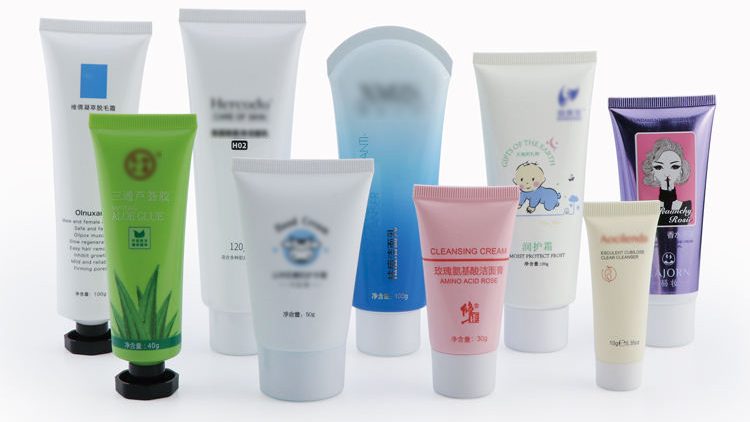
Today’s market demands greater customization and flexibility in packaging solutions. Tube filling and sealing machines are evolving to accommodate a wider range of tube sizes, shapes, and materials. This flexibility is crucial for brands that offer multiple product lines or need to respond quickly to changing consumer trends. Advanced machines now feature modular designs that allow for easy adjustments and quick changeovers between different products, enhancing productivity and reducing lead times.
4. Improved Precision and Quality Control
Precision is paramount in industries like pharmaceuticals and cosmetics, where even the slightest deviation can compromise product quality. Modern tube filling and sealing machines are equipped with advanced precision technology, including high-accuracy dosing systems and enhanced sealing mechanisms. These improvements ensure that each tube is filled to the exact required level and sealed properly, reducing the risk of contamination and ensuring consistency across all products.
5. User-Friendly Interfaces and Remote Operation
The user experience is becoming increasingly important in the design of automated packaging machines. Contemporary tube filling and sealing machines are now featuring more intuitive, user-friendly interfaces, often with touchscreen controls that simplify operation. Additionally, remote operation and control are becoming more prevalent, allowing operators to manage the machines from a distance, which is particularly useful in large-scale production environments or during maintenance.
6. Adapting to Regulatory Changes
The regulatory landscape, especially in the pharmaceutical and food industries, is continually evolving. Tube filling must adapt to these changes, ensuring compliance with stringent standards for hygiene, safety, and product traceability. Future machines are likely to incorporate more advanced features for tracking and documentation, such as integrated barcode systems and automated record-keeping, to ensure compliance with global regulations.
7. Cost-Effectiveness and ROI
Despite the advancements in technology, cost-effectiveness remains a priority for manufacturers. The future of tube filling and sealing machines lies in balancing cutting-edge technology with affordability. Machines that offer a high return on investment (ROI) through increased efficiency, reduced waste, and lower maintenance costs will be in high demand. Manufacturers are focusing on developing solutions that not only enhance production but also offer long-term financial benefits.
Conclusion
The future of automated packaging, particularly in the area of tube filling and sealing machines, is bright and full of innovation. As technology continues to advance, these machines will become even more efficient, sustainable, and adaptable to the ever-changing needs of the market. Companies that embrace these trends will be well-positioned to stay ahead in the competitive landscape, offering high-quality products that meet both consumer demands and regulatory standards.


線.png)